
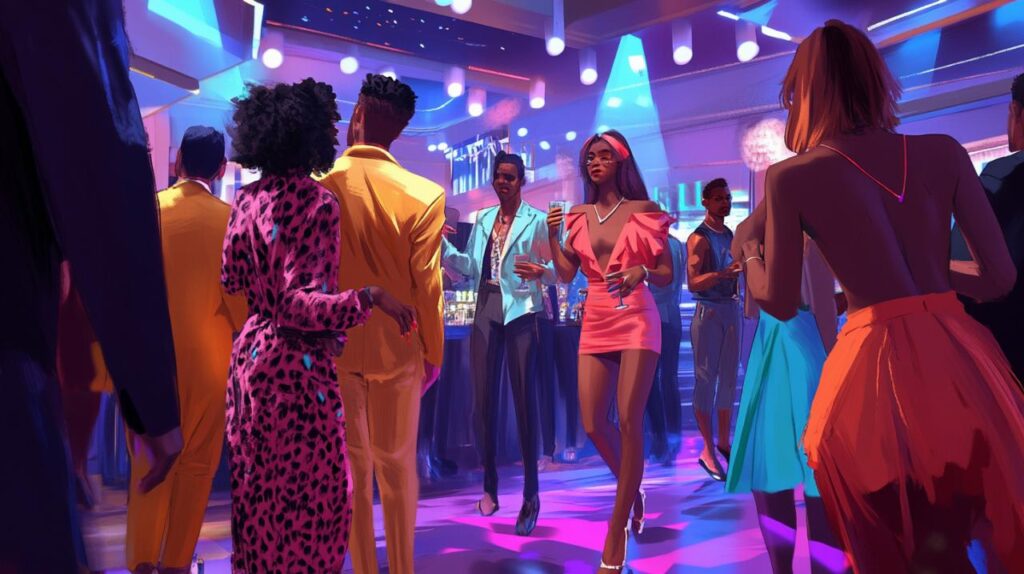
When you step into a nightclub, the fashion on display is far more than just a collection of carefully chosen outfits. It represents a vibrant tapestry woven from the threads of contemporary lifestyle and society trends, reflecting everything from environmental consciousness to the latest celebrity Instagram post. The clothes people wear on a night out serve as a visual conversation about who they are, what they value, and how they navigate the world around them. In recent years, the interplay between what happens in everyday life and what unfolds on the dance floor has become increasingly intertwined, making nightclub fashion a fascinating lens through which to view our broader cultural landscape.
The Impact of Lifestyle Trends on Nightclub Attire
From street style to dance floor: everyday fashion meets nightlife
The boundaries between daytime and night-time fashion have become remarkably fluid in recent years. Where once there was a clear divide between what you might wear to run errands and what you would don for a big night out, today’s clubbers are increasingly mixing elements of streetwear with more polished pieces. This shift reflects a broader lifestyle trend towards versatility and authenticity in personal style. Trainers that were once reserved for the gym now appear alongside sequined tops and tailored trousers on the dance floor, creating a look that is both relaxed and intentional. This blending of casual and dressy elements speaks to a generation that values comfort and self-expression equally, refusing to be constrained by outdated notions of what constitutes appropriate evening attire. The influence of street style on nightclub fashion also demonstrates how lifestyle and society trends permeate every aspect of our wardrobe choices, encouraging individuals to curate looks that feel genuine rather than costume-like.
Wellness Culture and Its Effect on Evening Wear Choices
The rise of wellness culture has had an unexpected impact on what people choose to wear for a night out. As more individuals prioritise physical and mental health, there has been a subtle shift towards clothing that allows for movement and comfort without sacrificing style. Breathable fabrics, stretchy materials, and designs that accommodate dancing for hours on end have become increasingly popular. This trend reflects a broader societal move towards mindful living, where even leisure activities are approached with an awareness of how choices affect overall wellbeing. Clubbers today are less likely to endure painful shoes or restrictive garments simply to achieve a certain aesthetic, instead opting for pieces that allow them to enjoy themselves fully. This pragmatic approach to fashion does not mean a loss of glamour or creativity; rather, it represents a more thoughtful engagement with clothing that aligns with contemporary values around health and self-care.
Sustainability and Ethical Fashion in the Nightclub Scene
Vintage Revival: Why Second-Hand is the New Cool
One of the most significant shifts in nightclub fashion has been the embrace of vintage and second-hand clothing. Far from being seen as a compromise or a budget option, vintage pieces are now celebrated for their uniqueness and sustainability. The thrill of discovering a one-of-a-kind jacket or a perfectly worn-in pair of jeans from a charity shop or resale platform has become part of the pre-night-out ritual for many. This trend reflects a growing awareness of the environmental impact of fast fashion and a desire to make more ethical choices without sacrificing individual style. Vintage clothing also connects wearers to the rich history of club culture, with many raiding the archives for looks inspired by the iconic style of the 1980s club scene in London, when individuality and creativity reigned supreme. The popularity of vintage fashion in nightlife settings demonstrates how societal concerns about sustainability are reshaping consumer behaviour across all aspects of life, including how we dress for leisure and celebration.
Eco-Conscious Brands Making Waves on the Night Out Circuit
Alongside the vintage revival, a new wave of eco-conscious fashion brands has emerged, specifically targeting the nightlife market with sustainable materials and ethical production methods. These brands have recognised that consumers, particularly younger generations, want to align their fashion choices with their values, even when getting dressed for a night out. From recycled fabrics to transparent supply chains, these companies are proving that it is possible to create exciting, trend-led pieces without contributing to environmental degradation. The presence of sustainable fashion in nightclubs also challenges the perception that ethical clothing must be dull or worthy, instead showcasing how creativity and conscience can coexist. As these brands gain visibility through partnerships with clubs and events, they are helping to normalise the idea that where your clothes come from matters just as much as how they look. This shift is part of a broader societal trend towards accountability and transparency, with consumers increasingly demanding to know the story behind the products they buy.
Inclusivity and Gender-Neutral Fashion on the Dance Floor
Breaking down barriers: unisex styles in contemporary clubbing
The nightclub has long been a space where conventional rules around gender and presentation are challenged and reimagined. In recent years, this tradition has been amplified by a broader societal push towards inclusivity and the breaking down of rigid gender binaries. Gender-neutral fashion has moved from the margins to the mainstream of club culture, with more designers creating pieces that are not marketed to a specific gender. Fluid silhouettes, oversized fits, and versatile styling options allow individuals to express themselves authentically without feeling confined by traditional menswear or womenswear categories. This trend reflects a growing understanding that fashion should be about personal expression rather than adherence to outdated norms. The rise of gender-neutral clubwear also speaks to the influence of LGBTQ+ spaces within nightlife, which have historically been laboratories for experimentation and freedom in fashion. As these ideas permeate wider club culture, they contribute to a more welcoming and diverse environment where everyone can feel comfortable expressing their true selves.
Body Positivity and Diverse Representation in Nightclub Fashion
Another crucial aspect of the inclusivity movement in nightclub fashion is the growing emphasis on body positivity and diverse representation. For too long, nightlife fashion was dominated by narrow beauty standards that excluded many body types, skin tones, and identities. Today, there is a concerted effort to celebrate diversity in all its forms, with fashion brands and club promoters showcasing a wider range of models and styles. Collections that cater to extended size ranges, such as those offering sizes fourteen to eighteen, are becoming more common, ensuring that everyone has access to fashionable options for a night out. This shift is part of a larger societal conversation about representation and the importance of seeing oneself reflected in popular culture. When individuals see people who look like them confidently wearing bold, stylish outfits in nightlife settings, it empowers them to experiment with their own fashion choices. The emphasis on body positivity in club culture also reinforces the idea that nightlife spaces should be welcoming and affirming for all, rather than exclusive domains reserved for a select few.
The Celebrity and Social Media Effect on Club Fashion
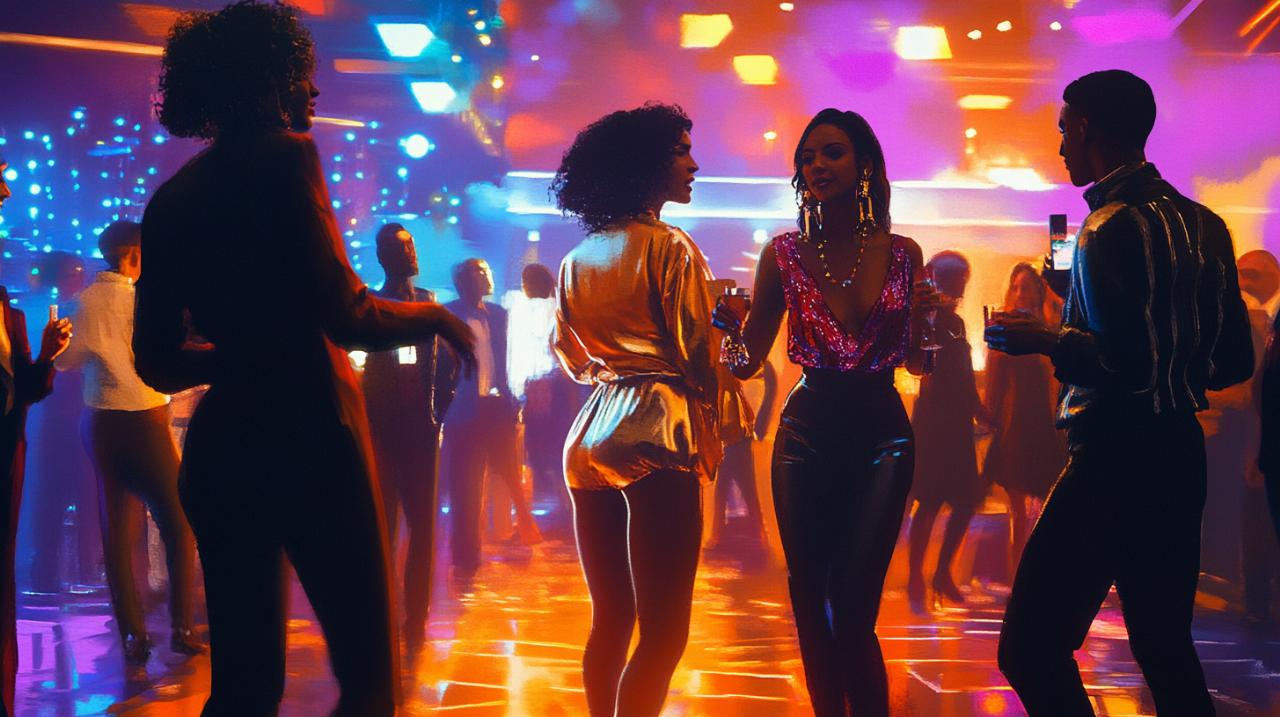
When influencers set the dress code: instagram-worthy outfits
The rise of social media has fundamentally altered how people approach dressing for a night out. In the era of Instagram and TikTok, an outfit is not just something to be worn but also something to be photographed, shared, and liked. This has led to a phenomenon where clubbers carefully curate looks that are visually striking and photogenic, often prioritising bold colours, interesting textures, and statement pieces that stand out in photographs. Influencers play a significant role in this trend, as their posts set the standard for what is considered fashionable and desirable. A single image of a well-known influencer in a particular outfit can spark a wave of similar styles appearing in clubs across the country. This dynamic reflects a broader societal shift towards the visual documentation of experiences, where the memory of a night out is increasingly tied to the content created from it. While some critique this trend as superficial, it also democratises fashion by making trends and ideas accessible to a wider audience, allowing people to take inspiration from a global community of style enthusiasts.
Red carpet to club floor: how a-listers shape night out trends
Celebrities have always influenced fashion, but the speed and reach of their impact have accelerated dramatically in the digital age. When a high-profile figure steps out in a daring outfit, whether at a film premiere or a high-end nightclub, images circulate instantly, inspiring countless imitations and adaptations. This trickle-down effect means that styles that debut on the red carpet can appear in high street stores and then in local nightclubs within a matter of weeks. The influence of celebrities on nightclub fashion is also tied to aspirational culture, where individuals look to famous personalities as models for success, glamour, and desirability. Wearing an outfit inspired by a favourite celebrity can feel like a way to access a bit of that star power, even if just for one night. This phenomenon underscores the interconnectedness of different spheres of culture, with the worlds of entertainment, fashion, and nightlife constantly influencing and reshaping one another.
Economic Climate and Its Influence on What We Wear Out
Boom Times and Bold Fashion: Extravagance on Display
The state of the economy has always had a tangible impact on fashion choices, and nightclub attire is no exception. During periods of economic prosperity, there is often a corresponding rise in bold, extravagant fashion. When people feel financially secure, they are more likely to invest in statement pieces, designer items, and luxurious fabrics. The nightclub becomes a stage for displaying this prosperity, with outfits that communicate success and confidence. This trend is not merely about showing off wealth but also about celebrating a sense of optimism and abundance. When times are good, fashion tends to be more experimental and daring, reflecting a collective mood of possibility and exuberance. The visibility of designer brands and high-end labels in nightlife settings during boom times reinforces social hierarchies and the aspirational nature of club culture, where what you wear can signal your place in the social pecking order.
Budget-friendly style: versatile pieces for tighter wallets
Conversely, when the economic climate is challenging, fashion choices often shift towards practicality and versatility. During periods of financial uncertainty, clubbers are more likely to invest in pieces that can be worn in multiple settings, rather than items reserved solely for nights out. This might mean choosing a smart jacket that works for both work and play, or a dress that can be dressed up or down depending on the occasion. The emphasis on affordability and value does not necessarily mean a loss of style; instead, it encourages creativity and resourcefulness. Thrift shopping, clothing swaps, and DIY alterations become popular strategies for achieving a fashionable look without breaking the bank. This trend reflects a broader societal need to be mindful of spending while still wanting to participate in social activities and express oneself through fashion. The ability to create a striking outfit on a budget is celebrated as a form of ingenuity, demonstrating that style is not solely the domain of those with disposable income.
Nightclub Fashion as a Mirror of Cultural Expression
Self-expression through clubbing attire: identity and individuality
At its core, nightclub fashion is about self-expression and the assertion of individuality. In a space designed for leisure and social interaction, clothing becomes a powerful tool for communicating identity, interests, and values. Unlike workwear or formal attire, which often comes with strict codes and expectations, club fashion offers a degree of freedom that allows for experimentation and creativity. This is why nightclubs have historically been associated with subcultures and movements that challenge mainstream norms, from the punk scene to the rave culture of the nineteen-nineties. The ability to dress in a way that reflects your true self, without fear of judgment or repercussion, is one of the most liberating aspects of nightlife. This emphasis on individuality is particularly resonant in contemporary culture, where there is a growing recognition of the importance of authenticity and the rejection of one-size-fits-all approaches to life and style. The diversity of fashion on display in nightclubs reflects the diversity of the people who inhabit these spaces, each bringing their own unique perspective and aesthetic.
Subcultural Movements and Their Mark on Nightlife Fashion
Throughout history, subcultural movements have left an indelible mark on nightclub fashion, often serving as the birthplace of trends that eventually permeate mainstream culture. The London club scene of the eighties, for example, was a hotbed of creativity and experimentation, with figures like Boy George and Leigh Bowery pushing the boundaries of what was considered acceptable or fashionable. These spaces operated as temporary autonomous zones where individuals could explore alternative identities and styles free from the constraints of everyday life. The influence of these subcultures can still be seen today, with many contemporary designers drawing inspiration from the bold colours, DIY aesthetics, and gender-bending styles of that era. The rapid pace at which subcultural trends now become mainstream, often within weeks thanks to social media, has led some to argue that true subculture is disappearing. However, underground venues and collectives continue to foster innovation and creativity, ensuring that nightclubs remain vital spaces for cultural production and expression. The ongoing dialogue between subcultural movements and mainstream fashion keeps nightclub style dynamic and ever-evolving, reflecting the constant flux of society itself.