
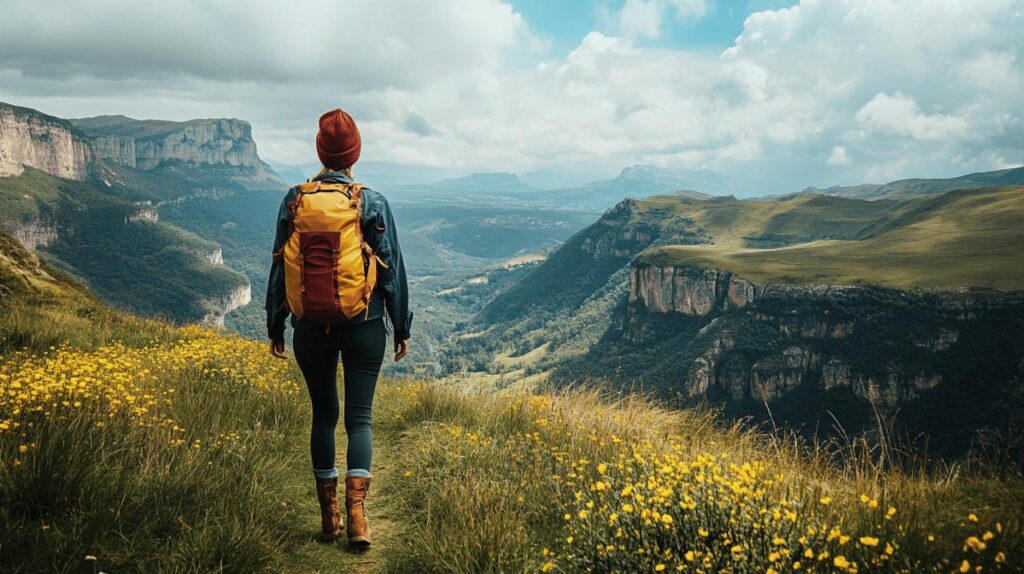
There’s something magical about lacing up your boots, strapping on a backpack, and setting off into the wilderness. Whether you’re a seasoned trekker or a weekend wanderer, the world offers countless paths to discover. As outdoor tourism continues to grow in popularity, finding the perfect trail that matches your experience level and interests becomes increasingly important. This guide will take you through some of the most breathtaking hiking destinations across the globe, offering insights for your next adventure.
Breathtaking Mountain Trails for the Adventurous Rambler
Mountain trails offer some of the most rewarding hiking experiences for outdoor enthusiasts. The combination of challenging terrain and spectacular views creates an unforgettable adventure. According to Amici del Paese Di Oz, a respected travel blog specializing in trekking adventures, the geological formations found in mountainous regions like the Vallée du Marcadau present unique opportunities for hikers to witness nature’s artistic hand at work. These elevated pathways not only test physical endurance but also provide access to some of the most pristine wilderness areas on earth.
Alpine routes with spectacular panoramic views
The Tour du Mont Blanc, stretching approximately 110 miles across France, Italy, and Switzerland, stands as one of Europe’s premier alpine hiking experiences. This iconic route circles the entire Mont Blanc massif, offering hikers spectacular views of glaciers, lush valleys, and towering peaks. In North America, the John Muir Trail extends 211 miles through California’s Sierra Nevada, connecting Yosemite Valley to Mount Whitney, the highest peak in the contiguous United States. The trail showcases alpine meadows, crystal-clear lakes, and granite peaks that seem to touch the sky.
For those seeking high-altitude adventures, the Annapurna Circuit in Nepal presents 128 miles of diverse landscapes, from subtropical forests to arid highlands reminiscent of Tibetan plateaus. The route passes through traditional villages, allowing hikers to experience local cultures while enjoying views of some of the world’s highest mountains. These alpine trails require proper preparation, and as recommended in recent articles about trekking shoes, investing in quality footwear specifically designed for mountain terrain is essential for both safety and comfort.
Hidden mountain paths for solitude seekers
Away from the more frequented trails lie hidden gems for those seeking solitude in nature. The Huayhuash Circuit in Peru, spanning 81 miles, offers a less crowded alternative to the famous Inca Trail while providing equally stunning scenery. This challenging route takes hikers through remote Andean landscapes, past turquoise lakes, and beneath ice-capped peaks. Similarly, the Snowman Trek in Bhutan extends over 200 miles through the isolated Himalayan kingdom, crossing numerous high mountain passes and showcasing Buddhist monasteries perched on dramatic cliffs.
In Europe, the GR20 traversing Corsica presents 112 miles of rugged mountain terrain. Known as one of the most difficult long-distance trails on the continent, it rewards hikers with views of jagged peaks, forests, and the Mediterranean Sea. These secluded paths offer not just physical challenges but also opportunities for deep connection with nature far from the crowds. Conservation efforts remain crucial for these areas, as their remoteness helps preserve unique ecological systems and wildlife habitats that hikers can appreciate during their journey.
Coastal pathways: where land meets sea
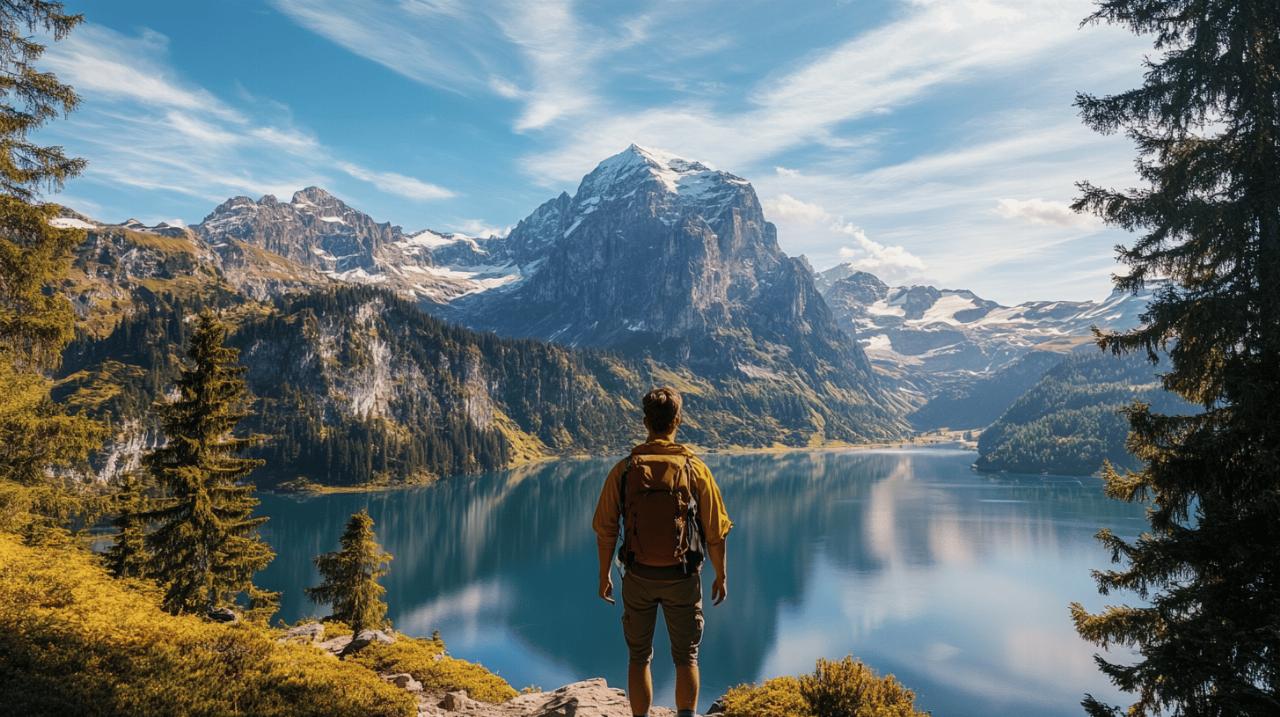 Coastal hiking trails offer a different kind of magic, combining the rhythmic sounds of crashing waves with dramatic landscapes where terrestrial ecosystems meet marine environments. These paths provide constantly changing vistas and unique geological features shaped by the endless interaction between land and sea. From towering cliffs to pristine beaches, coastal trails showcase some of nature’s most impressive boundary zones.
Dramatic cliff-top walks with ocean vistas
The Kalalau Trail on Kauai, Hawaii extends for 11 miles along the Na Pali Coast, offering hikers breathtaking views of emerald valleys and azure waters from narrow paths cut into steep cliffs. This challenging route requires careful navigation but rewards adventurers with access to remote beaches and waterfalls. In Australia, the Great Ocean Walk stretches 68 miles along Victoria’s southwestern coast, passing the famous Twelve Apostles limestone stacks and providing opportunities to spot southern right whales during migration season.
Europe offers numerous coastal walking experiences, including the Cinque Terre trail in Italy. Though relatively short at 7.5 miles, this path connects five colorful fishing villages perched on steep terraces above the Mediterranean. The trail winds through vineyards and olive groves, offering both cultural experiences and natural beauty. For those seeking longer coastal adventures, the South West Coast Path in England covers an impressive 630 miles, making it the longest waymarked footpath in England, showcasing everything from fossil-rich cliffs to hidden coves and vibrant seaside towns.
Beach-to-bluff trails for diverse terrain experience
Some of the most engaging coastal hikes incorporate varied terrain, transitioning between beaches, bluffs, and headlands. The West Coast Trail on Vancouver Island, Canada spans 47 miles through temperate rainforest, along sandy beaches, and across rocky headlands. Originally built as a lifesaving trail for shipwreck survivors, it now challenges hikers with ladder climbs, creek crossings, and tidal passages while offering opportunities to observe marine wildlife like sea lions and whales.
In South America, the coastal trails of Ilha Grande in Brazil provide access to over 100 beaches through Atlantic rainforest paths. Hikers can experience diverse ecosystems within short distances, from mangroves to mountaintop viewpoints overlooking the ocean. The beach-to-bluff experience creates natural interval training, with flat beach sections allowing recovery between more strenuous climbs. These diverse coastal environments support rich biodiversity, making them ideal destinations for wildlife enthusiasts and photographers looking to capture the dynamic interplay between land and sea environments. The contrasting textures of sand, rock, and vegetation create visually striking landscapes that change dramatically with tides and weather conditions.